



Bajuni Cultural Heritage
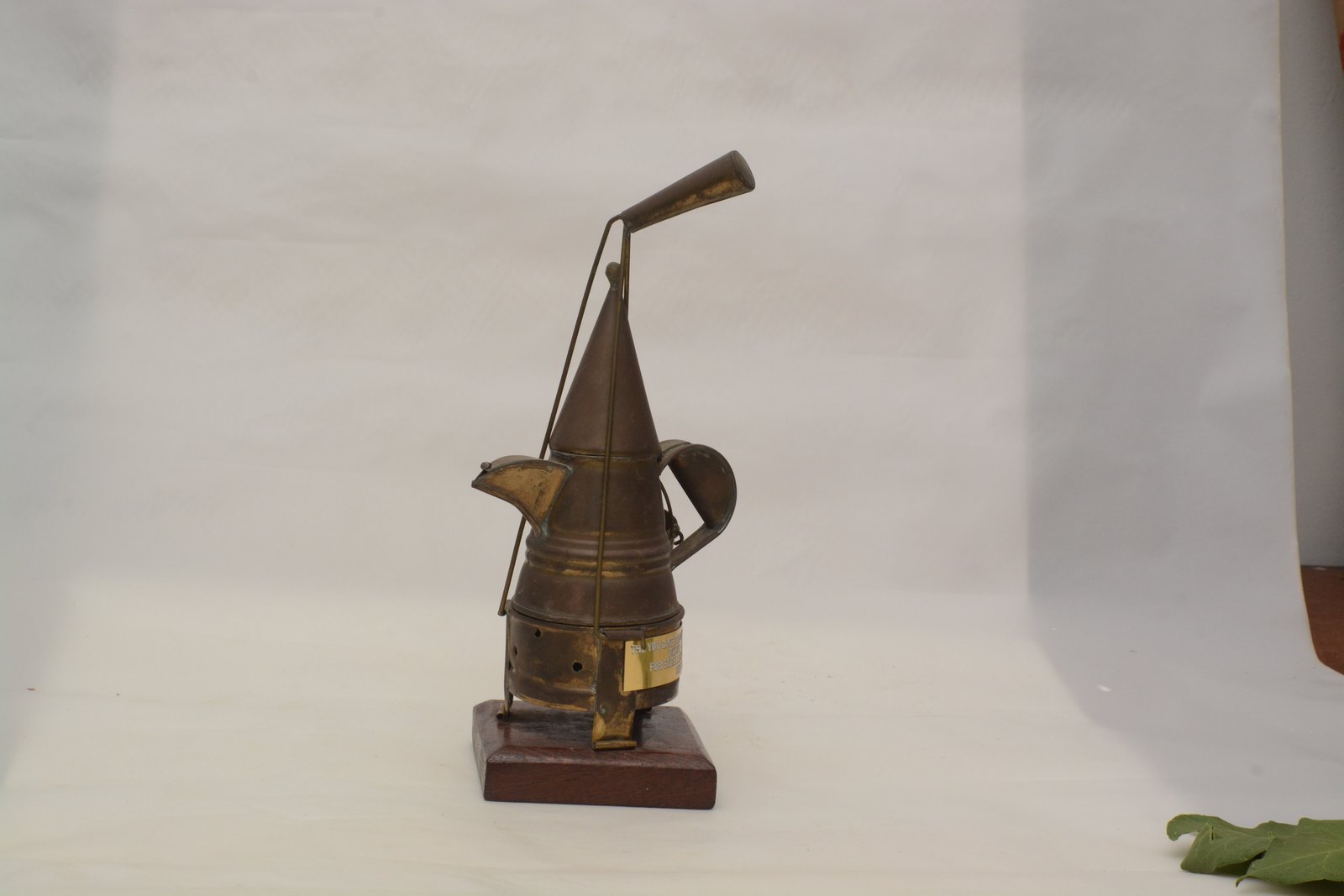
The buli la kahawa is a traditional coffee pot or jug commonly used along Kenya’s coastal region, particularly among the Bajuni and Swahili communities. Usually made of aluminum or brass, it has a distinctive long spout and narrow neck that help retain heat and control the coffee pour. It is used to brew, store, and serve spiced coffee (kahawa chungu), especially in open-air markets and small roadside stalls (jua kali setups), where vendors sell coffee at an affordable price per cup (kikombe). The buli is often found in homes, cafes, and community gatherings, symbolizing warmth and social interaction.
The buli la kahawa carries deep cultural and social significance in Bajuni and coastal Swahili society. Beyond its practical function, it represents hospitality, friendship, and community connection, as sharing coffee is a central part of social life. In many coastal towns such as Lamu, Faza, and Kizingitini, the buli serves as a link between generations, preserving the art of traditional coffee brewing and local entrepreneurship. Its continued use reflects the resilience of coastal identity and the blending of African and Arab influences that define the Swahili cultural heritage.